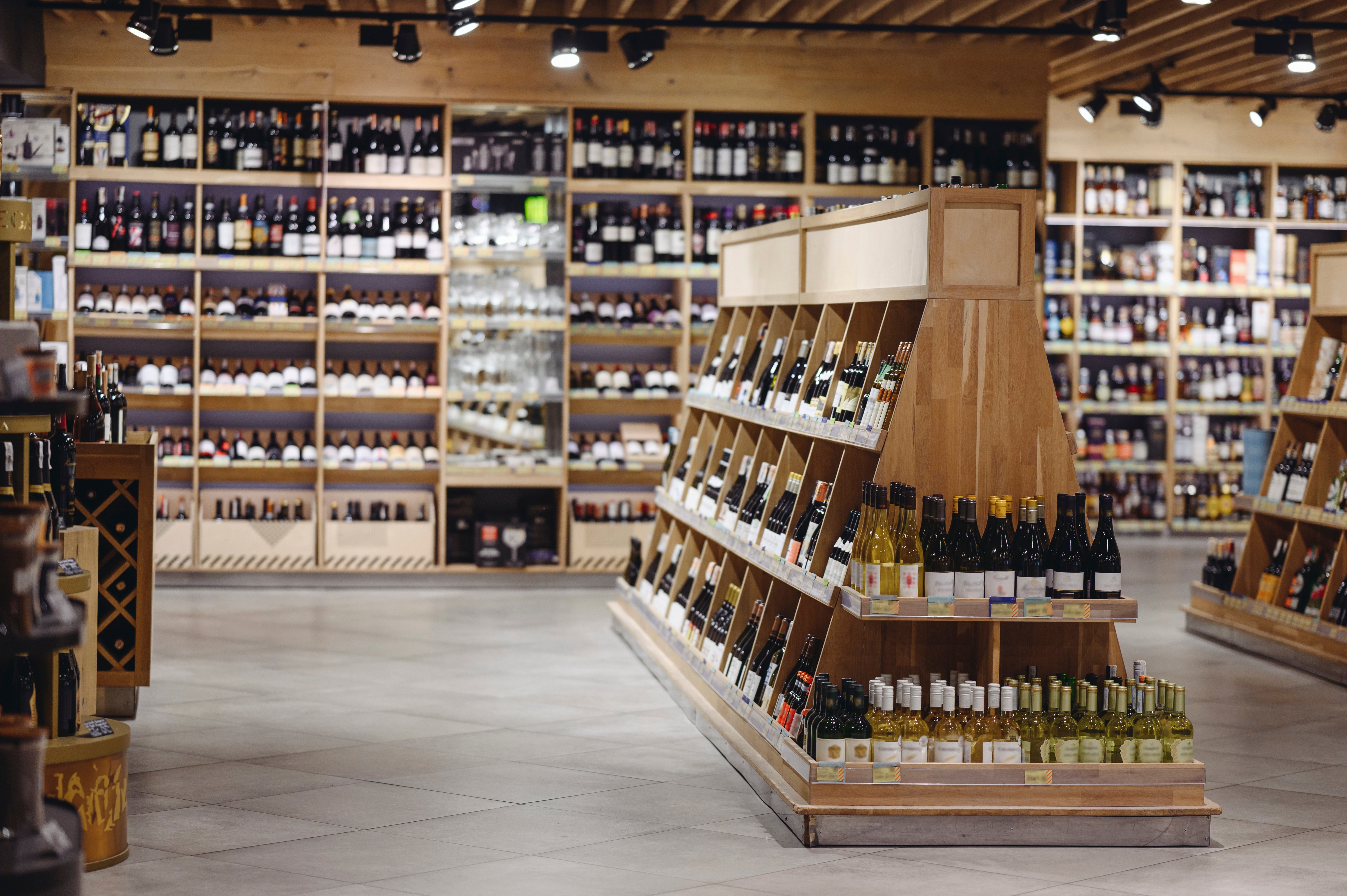
For most of history, the hard part of buying was finding something. Now the hard part is choosing from... everything. That reversal rewired how people decide what to buy. The same shift runs through the boardroom.
Faced with unlimited options, buyers cannot weigh them all, so they screen first and evaluate second. In consumer markets, the screening mechanism is often identity: does this brand fit who I am? In B2B, it shows up as reputation and point of view: does this company understand my world, and can I trust it before I have spent a dollar? Either way, a brand that fails the screen never makes the shortlist, and never finds out why.
This is not a consumer story with a B2B footnote. B2B buyers now run most of the purchase process while keeping sales at arm's length. Gartner found that 61 percent of B2B buyers would prefer to buy with no sales representative involved at all (Gartner, June 2025). By the time they contact you, the screening is largely finished, and you never see the deals you were screened out of.
Scale used to be the moat
For roughly seventy years, the growth model for consumer brands barely changed. Build a mass-market brand, get broad distribution through retailers, reinvest the margin into more brand equity. Scale was the moat. It worked because choice was scarce. Someone else narrowed a shopper's options long before a preference formed. Geography decided which stores were in reach. Shelf space decided what those stores could stock. Price and availability filtered the rest. By the time a person chose, the field was already cut to a handful of options, and the brand with the most scale usually won by default.
B2B ran on the same logic in a different costume. Information was scarce, and the salesperson controlled it. You bought from the vendor your network already knew, because finding and vetting an alternative was slow, and incumbency was its own kind of moat. In both worlds, the winner was often just the option that got in front of you.
That availability mechanism is gone. Amazon, Google Shopping, Etsy, and the long tail of Shopify storefronts mean the consumer field is never cut. In B2B, the buyer can research the entire market before a rep ever answers an email. The scarce thing is no longer information, but the buyer's attention and their trust. Whoever holds the scarce thing holds the leverage.
Values are the gate, not the garnish
This inverts something most brands still get wrong. We treat values as a layer on top of a good product, a reason to feel good about a purchase already decided on. For today's buyer, values are not the garnish. They are the gate. Price, quality, and capability, which older strategists treat as the main event, only get evaluated for the brands that clear the gate first. Lose there, and your product excellence is invisible. Nobody rejected it; nobody saw it.
This is not only a consumer reflex. A B2B buyer screens out a vendor whose positioning is generic, or whose stated point of view rings hollow well before comparing feature lists, and they do it with a browser, not a phone call. The screening mechanism is the same, and only the language changes, from identity to credibility.
That should make incumbents nervous for a specific reason. The values this cohort screens can be in tension with the values a legacy brand spent decades building around. You cannot always signal to one without alienating the other, and this audience is good at catching a hedge. A surface-level commitment reads as a lie, and a lie at the gate is fatal.
Loyalty was mostly inertia
If that sounds like a soft concern, look at what happened to loyalty the moment friction lifted. When supply chains broke and priorities shifted during the covid pandemic, roughly 75 percent of US consumers tried a new shopping behavior, 36 percent tried a new product brand, and 25 percent tried a new private-label brand. What should worry incumbents is what came next: 73 percent of people who tried a different brand intend to keep it in their routine, and 80 percent of those who tried a private label say they will keep using it (McKinsey, "The great consumer shift," August 2020). Younger consumers and high earners were the most willing to switch, so this was never limited to the young. The same disruption pushed older cohorts online and taught them to switch too.
The B2B version is less obvious, but just as real. Switching costs and incumbency once held vendors in place the way scarce choice held a brand in the cart. As alternatives become easy to find and evaluate, that lock loosens, and the renewal you assumed was automatic becomes a live comparison. Loyalty was never as durable as the balance sheet implied; much of it was inertia, defended by the absence of an easy alternative. Those alternatives now exist for everyone.
What the strategy becomes
None of this argues for abandoning scale or brand-building. It argues for pointing them at what is now scarce instead of what is now everywhere. A few shifts matter more than the rest:
- The old model optimized for being seen by as many people as possible. Now, the crowded market rewards being unmistakably relevant to specific people, which means sharper targeting and letting what you learn about a segment change what you actually build and say, not just what you report. That holds whether the segment is a consumer micro-audience or a short list of named accounts.
- Values have to be real and legible. Not a manifesto nobody reads, but a clear position a stranger can identify fast that survives scrutiny. This costs you some people and some accounts. But a brand that stands for nothing specific clears no one's gate, and being inoffensive to everyone is now its own kind of invisibility.
- Format is not a detail. Younger consumers overwhelmingly discover brands through video. About 70 percent say they learn about new brands through video-based social media at least monthly, against 58 percent of millennials and 46 percent of Gen X, and they name video as a top-three purchase influence more often than any other cohort (McKinsey, "What makes Asia-Pacific's Generation Z different?"). B2B is moving the same way, toward self-serve content that answers the buyer's questions before a call. Either way, the point is a real capability to make things people choose to watch and read, not simply more posts.
The worst part
Every competitor, every substitute, every alternative is now one search away, so adding one more capable product to a crowded field wins nothing by itself. When choice was scarce, you won by supplying what was missing. Now the missing thing is not another good product. It is a reason to be chosen from among many that are already good enough.
The scale and loyalty that made incumbents safe were partly a gift of scarce choice, and that gift has been withdrawn. The buyer now screens with a filter you cannot fake, switches without guilt, and researches before you ever meet, in the store and in the RFP alike. Reacting to that with a new logo is not enough.
The brands that win the next decade will decide what they really, authentically stand for. They will aim their scale at relevance instead of raw reach, and build the means to prove it in the formats their buyers use. That is a strategy conversation, not a campaign. And it is the same conversation whether you sell garden soil, financing software, or professional services, because the person on the other side of the decision is running the same operating system no matter what is in their cart.
If that is the conversation your brand needs to have, put time on my calendar and we’ll talk about it.
Adam Bird, Director of Strategy at Deksia.