
Case Study
Kellogg Garden Products Builds Attention for the Product Every Garden Starts With
Kellogg Garden Products
Kellogg Garden Products is a legacy, national organic gardening brand whose organic soils are sold in stores through national big box retailers. Its 2026 goal was to establish itself as the most trusted online authority in organic gardening by serving and educating the gardening community.
Industry: Consumer Packaged Goods, Organic Garden and Soil Products
Location: Carson, California
Project Scope: Annual marketing strategy, SEO and content, paid search and social, organic social management, email marketing, influencer program management Solution
Solutions Provided: Deksia built Kellogg Garden Products' 2026 marketing strategy around three shifts, an AI-ready digital presence, a more structured influencer program, and a community-first approach to customer engagement, then executed that plan across the year.
The Challenge
Kellogg Garden Products entered 2026 with momentum. Social reach had grown 31% over the previous year, its social audience had grown 26%, and the first year of its influencer program, with 17 creators, had generated more than 2 million organic views.
The job was to keep that growth moving while helping the organic gardening category grow with it. Kellogg's marketing has to build brand awareness and category participation, then pay off at the shelf in a national retailer's store. Soil adds a wrinkle; gardeners buy it alongside whatever has their attention that day, seeds, flowers, or plants, so soil is rarely the main character of the gardening story. A soil plan has to educate people and support the in-store purchase at once.
The ground was also shifting. AI was changing how gardeners searched, even as gardeners were placing more weight on human connection and environmental responsibility. A brand that wanted to be the trusted authority had to show up in AI answers.
The Solution
Deksia started with the audience and the category, using behavioral analysis and market research to understand what was changing within the larger organic gardening market and how gardeners decide what to buy. That work produced a strategic narrative, "From Soil to Soul," in service of building America's garden community.
The brand's expertise needed to show up where answers now come from. The plan required a full website rebuild to fit the contemporary AI answers ecosystem. It also replaced 35-page PDF guides with phone-friendly guides on containers, small spaces, and urban gardening, paired with a video and paid campaigns.
The creators who had already worked got more room. The plan moved the 2025 influencer program onto a platform built to manage creators at scale and aimed its heaviest push peaking in April and May. A Master Gardener series was planned to carry education along with the reach.
Every initiative was built to expand the category. The guides on containers, small spaces, and urban gardening were meant to give first-time gardeners an easy place to start, and the creators and the Master Gardener series were meant to show what a garden gives back. Together they were designed to help more people find the love and reward of gardening, with Kellogg Garden Products there from the first bag of soil.
The Results
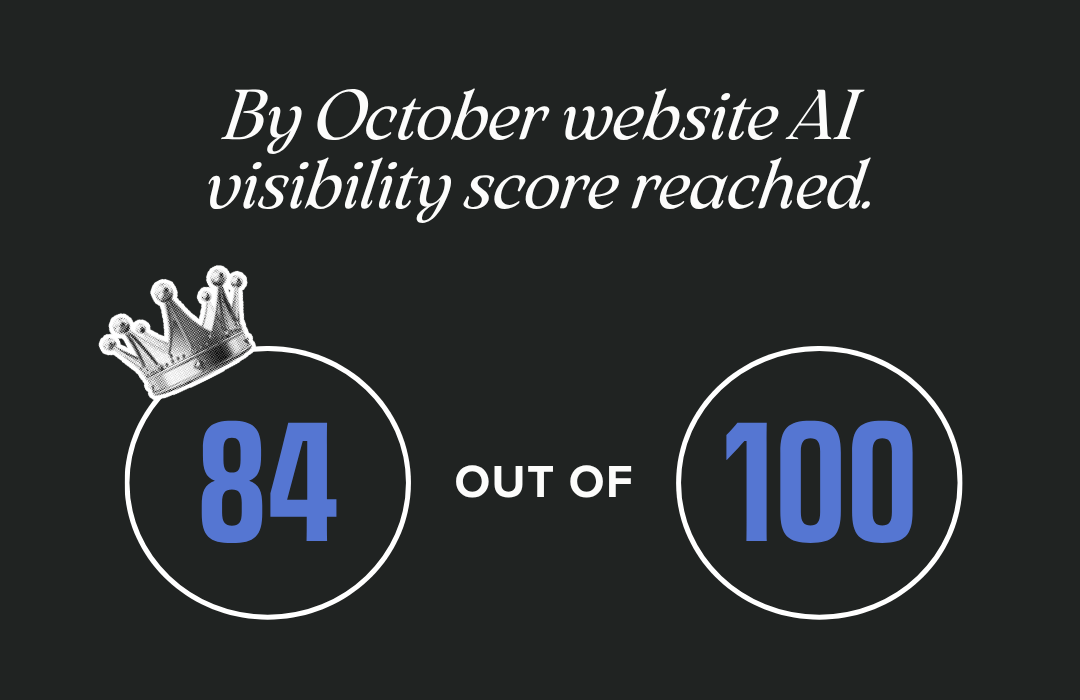
In AI search, the site's visibility score, tracked in Semrush, rose from 32 to 84 against an industry average of 61.
The creator program scaled quickly. Through September 2026, reach of creators hit 2.8 million, nearly triple the 948,000 recorded in 2025, and impressions reached 7.6 million over the trailing twelve months. Ninety-seven percent of 2026 engagement came from the creators' own posts, and paid promotion accounted for the rest.
On paid social, the three top ads from March through August drove 70,000 link clicks and 1,600 email sign-ups.
YouTube reached 856,000 unique views over the past twelve months, ahead of a 550,000 goal, and a TikTok channel launched in 2026 drew 675,000 views through September.
The work helped more people find the confidence and resources to start organic gardening, from the guides and creators that showed them how to the answers they found when they went looking. Kellogg Garden Products keeps asking more of itself for the people who garden with it, and Deksia is there to meet that ambition.
"Soil is rarely the first thing a gardener thinks about. Deksia built us a plan that gave people a reason to care about it and a clear way to find it when they were ready to buy."
[Name, Title], Kellogg Garden Products
Related Case Studies



Let’s Talk About What’s Next.
Whether you need a full plan or a fresh perspective, we’ll meet you where you are—and move you forward with brand clarity, marketing strategy, and creative execution that works.

