
Case Study
Wolverine Building Group's Brand Refresh: A New Name, Logo, and Voice for Eighty-Plus Years of Work
Wolverine Building Group
Wolverine Building Group is a full design-build and general contracting firm based in Grand Rapids, Michigan, with offices in Brighton and Lansing and a Wolverine North America division for out-of-state projects. Founded in 1939 as a small tile and gas station subcontractor, the company now works across six market segments: Industrial, Multi-Unit, Retail and Restaurant, Culture and Community, Advanced Manufacturing, and Healthcare.
Industry: Commercial Construction, Design-Build and General Contracting
Location: Grand Rapids, Michigan
Project Scope: Brand strategy, archetype development, name and logo refresh, messaging framework, brand launch strategy
Solution Provided: Deksia ran a brand strategy workshop with Wolverine's leadership, then built a new name, identity, and messaging framework around what that workshop surfaced, not the assumptions the project started with. A phased launch, branded Built for What's Next, carries the work into the market through the third quarter of 2026.
The Challenge
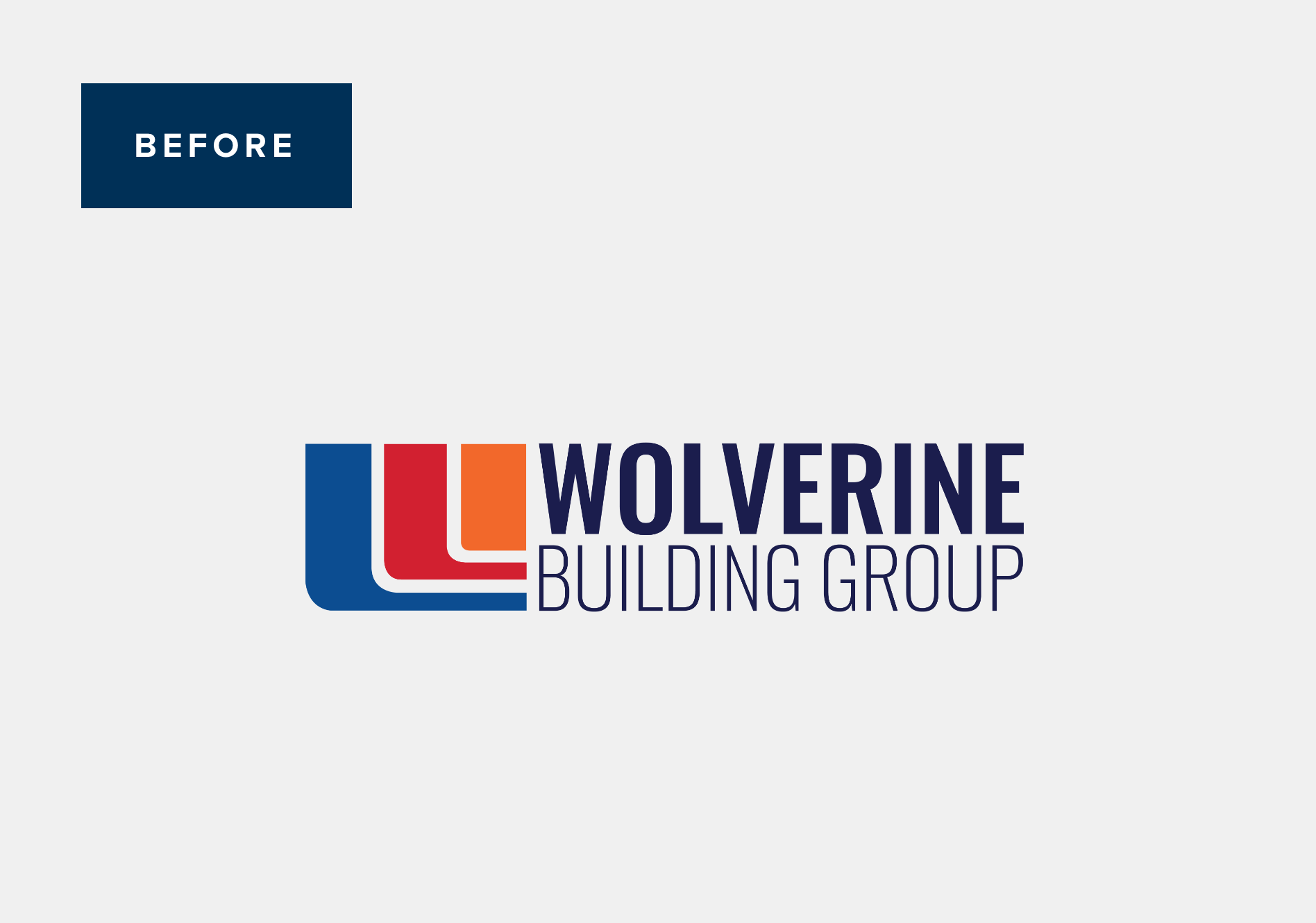
Wolverine had spent eighty-plus years becoming a company its name no longer fully described. What started in 1939 as a tile and gas station subcontractor had grown into a full design-build and general contracting firm spanning six market segments, self-perform steel erection, historic preservation, and in-house architecture. The name it had been operating under pointed at construction and stopped there, leaving out design-build, general contracting, historic preservation, and the rest of what the company had become.
The bigger issue sat underneath the name. Eighty-five percent of Wolverine's business comes from repeat clients and referrals, a number leadership is proud of and a little wary of at the same time. Growth had always come from relationships instead of marketing, which meant the company had never built a mechanism for earning trust with a prospect before that first project together. Internally, this gets called the trust transfer challenge: Wolverine is excellent at keeping clients once it has them, and had almost nothing built for the stretch of time before that.
That gap was starting to matter more. Wolverine had just formalized a capital partnership with Honeycrisp Ventures, was pushing into Advanced Manufacturing work tied to reshoring, and had brought on a Director of Sales, a role that hadn't existed a year earlier at a company that had never really needed one. Each of those moves needed a company that looked, on paper, as capable as it truly was.
The Solution
The workshop surfaced a different archetype than the one everyone expected going in. Deksia ran the same participatory strategy sessions with Wolverine that it runs with every client, pulling in account management, strategy, and operations leadership to build an honest picture of the business. The direction that emerged wasn't the one the project started with. Wolverine's team operates as the Magician, with a Caretaker's attentiveness and a Hero's decisiveness layered in, built around a single line: we comprehend the complete picture, tell the entire truth, and solve the root problem. The origin story behind it, eighty years of mastery through humility, gave the company a way to talk about its history without sounding like it was bragging about it.
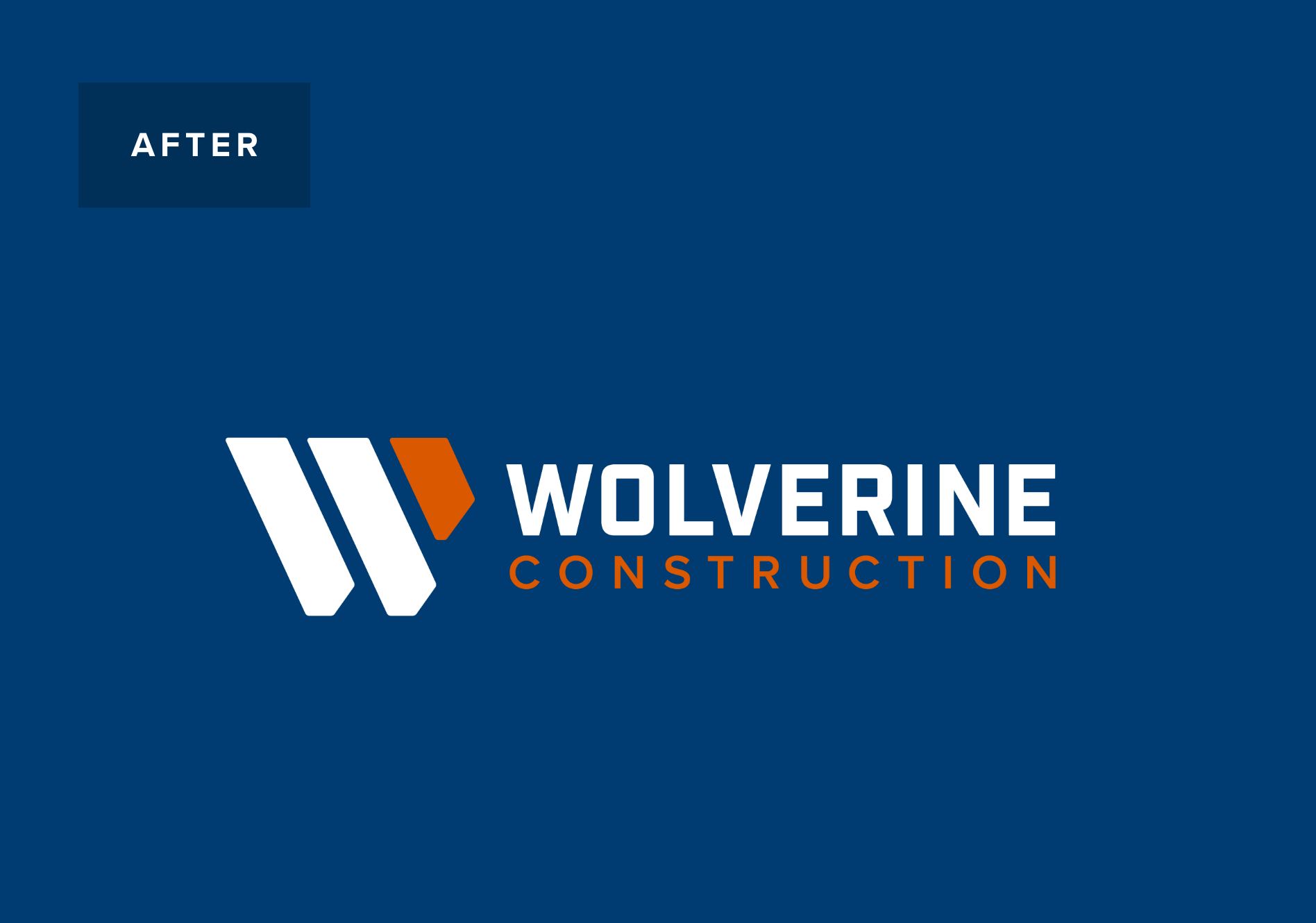
A new name replaced one that had gotten too small for the company behind it. A new logo followed. The change wasn't cosmetic; design-build, general contracting, historic preservation, custom-engineered metal buildings, and in-house architecture don't fit inside a name built around "construction," and Wolverine Building Group gives the company room to say so.
Six segments, one voice. Wolverine's market segments don't talk to each other much, even though Wolverine sits across all of them and sees patterns none of its individual clients can. The messaging framework kept each segment's story specific while giving the company one throughline to fall back on, so a healthcare renovation client and an industrial developer hear the same company, even when they're hearing different things from it.
The launch was built to outlast its own announcement. Built for What's Next runs on segment-specific email cadences on a six-week rotation, LinkedIn as the primary channel, and a push to get CEO Kurt Moulder posting as a visible voice in the industry rather than a name attached to a press release. Geographic landing pages went in to catch project work happening outside Michigan, since a completed project in Boulder, Colorado had nowhere to live on the old site. Even Wolverine's Year in Review got rebuilt, shifting from a look back at the last twelve months to a forward-looking piece built around what leadership calls pattern blindness: what one segment's clients can't see, but Wolverine can.
The Results
Wolverine now has a name, a story, and a small but real sales and marketing operation behind a company that had gotten this far almost entirely on word of mouth. Account management and sales are working from the same language for the first time, instead of each person describing the difference differently depending on who's asking.
Built for What's Next is still rolling out through the third quarter of 2026, and the fuller picture on lead flow and market reception will take a few more months to come into focus. What's already visible: a company built for six segments finally has one story that can hold all of them, and a name that doesn't undersell any of it.
It's a familiar spot for a company that's grown on relationships instead of marketing. The work outpaces the story that explains it, usually right around the point growth starts depending on people who don't already know you yet.
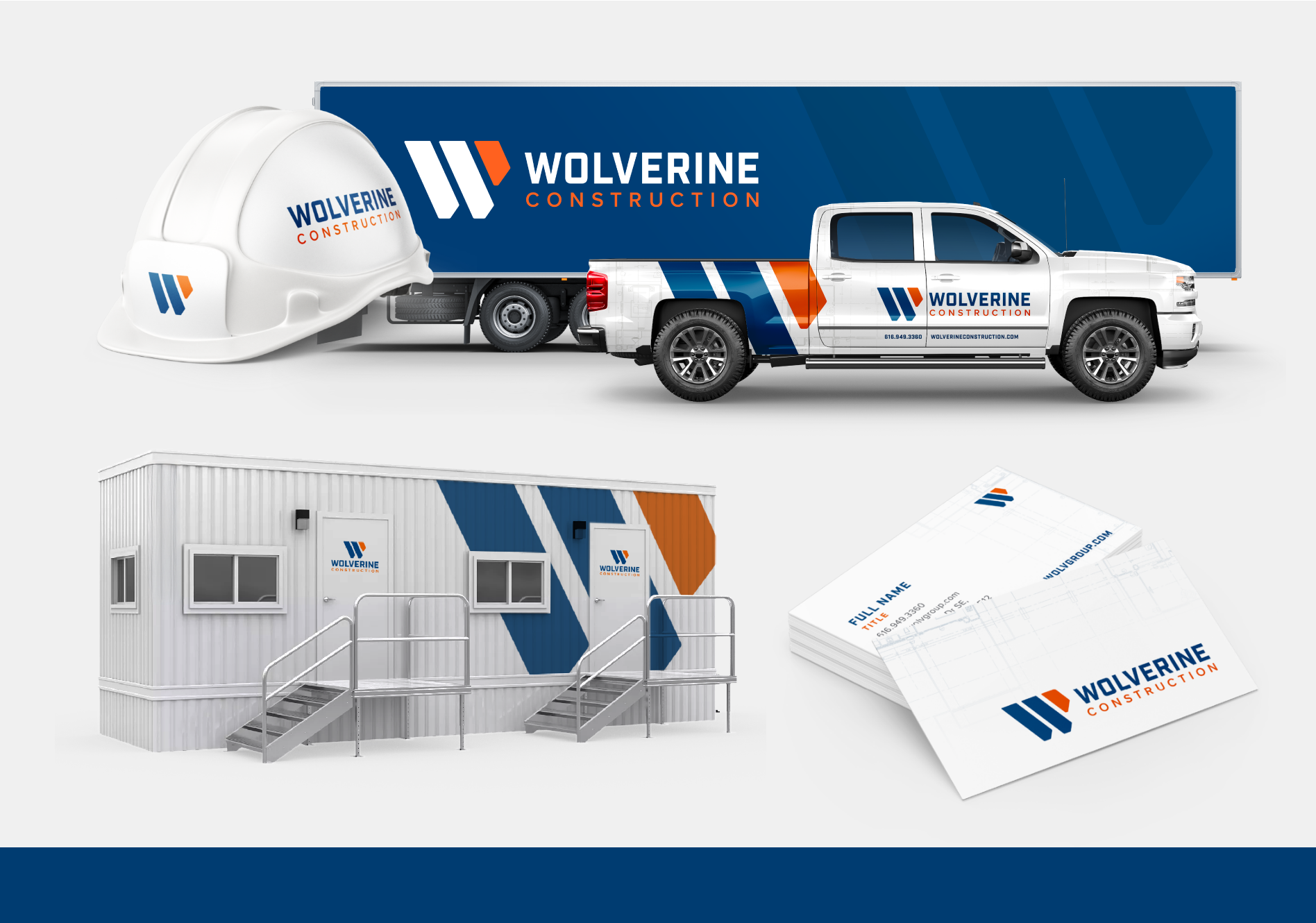
"The process was incredibly thoughtful and comprehensive. Developing our brand archetype and defining our brand pillars gave us a strong strategic foundation, and the logo development flowed very intentionally from that work. Rather than designing in isolation, every decision was grounded in a deeper understanding of who Wolverine is and how we want to show up. Ultimately, we landed on an identity that feels polished, elevated and modern, while still being distinctly Wolverine and closely aligned with our core brand values."
– Marjorie Hoeksema
Related Case Studies


Let’s Talk About What’s Next.
Whether you need a full plan or a fresh perspective, we’ll meet you where you are—and move you forward with brand clarity, marketing strategy, and creative execution that works.

